What if the spirit of Christmas didn’t come to a bumpy halt around December 27?
120 Days of Christmas is an irreverent holiday almanac of 120 lavishly imagined, sometimes ridiculous holidays designed to keep the season alive from November 1 through February 28.
WHY 120 DAYS?
It started with a simple observation: February is a dark, miserable, soul-crushing month, and January isn’t much better.
But what if, through the magic of Christmas itself, the holiday season lasted nearly the whole of winter?
Enter120 Days of Christmas, a holiday almanac for Christmas fanatics who want to transform winter’s long, gray slog into a parade of gift exchanges, elaborately themed feasts, and glitter-soaked adventures. Of course, there’s a price to pay. Your health will be compromised, you’ll exhaust your life savings on scented pinecones, and you’ll alienate your loved ones with excessive, relentless cheer. But you’ll also survive February.
HOLIDAY SAMPLER
Inside120 Days of Christmas, you’ll find daily entries packed with history, activities, film suggestions, and more. From Bonfire Night (a neighborhood version of Burning Man but with more food-on-a-stick) to Parlor Parkour (combining parlor games with feats of strength), every day provides an occasion for mischief and merriment. Click on the icons below to see explore a few of the holidays in detail.

DECEMBER 5
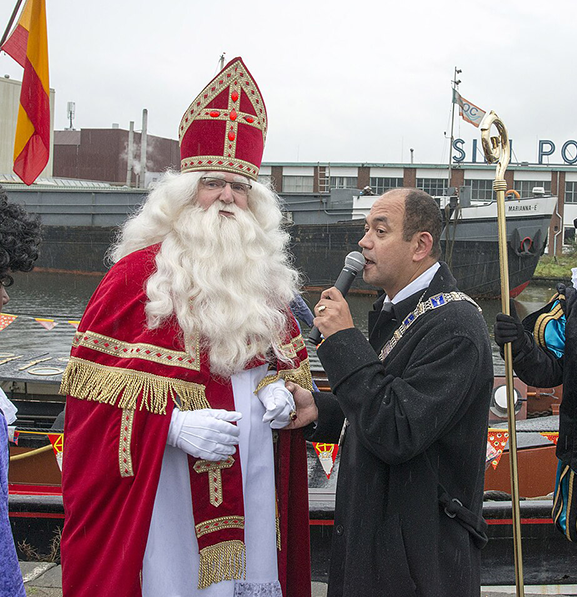
CHRISTMAS TRICKSTERS’ DAY
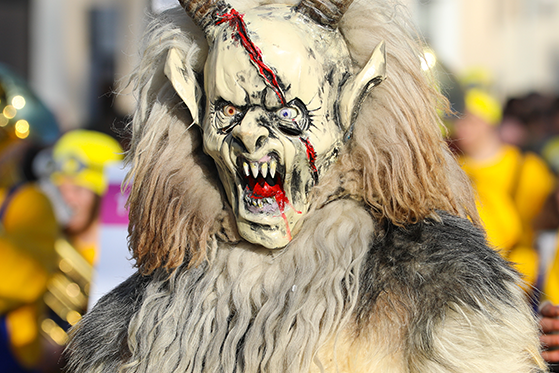
Tricks and Gifts Are Traded, Honoring Krampus and His Ilk
EXAMPLE HOLIDAY

DAY 46
DECEMBER 16, 2025
BOAR’S HEAD FEAST
Procession of the Boar’s Head
An Extravagant Dish Followed by Lavish Entertainment
HOLIDAY DESCRIPTION
THE BOAR’S HEAD FEAST is a grand celebration of culinary excess, rooted in English tradition. Tonight’s meal centers on a dramatic procession, with the main course—be it goose, turkey, or a boar’s head—brought to the table in a display of pomp. For vegetarians, an ornate centerpiece dish can serve the same role. The evening is as much about the theatrics as it is about the food, with honorary titles bestowed and elaborate rites staged between courses. You’ll need to rent formal wear, a string quartet, a certified sommelier, and four Great Danes with regal bloodlines to chaperone the main dish. Or skip the quartet, wear jean shorts, give the dogs a tableside high stool, and blast The Dukes of Hazzard theme song. As long as the entrée arrives on silver, it still counts as regal.
INSPIRATION
I’m a sucker for any holiday where pomposity and goofiness reach perfect alignment, where the pageantry is grand, the rituals are ridiculous, and nobody breaks character. Trust me: there’s nothing finer than donning a tuxedo and parading a tofurky boar’s head on a silver platter as if it were the Holy Grail.
The original Boar’s Head Feast dates back to medieval England, where the presentation of a roasted boar’s head symbolized strength, victory, and a hearty appetite. These feasts were theatrical affairs, blending ceremony with song (most notably ‘The Boar’s Head Carol’) and nowhere was it more famously preserved than at Queen’s College, Oxford, where the boar is still carried in every Christmas with great, almost comical, dignity.
This tradition fits into the larger history of Christmas as a season of culinary spectacle. Medieval lords marked the holiday by throwing extravagant feasts showcasing rare meats and lavish spreads. Tonight, we revive that theatrical spirit. Whether you’re roasting a bird, steaming a cauliflower crown, or constructing a papier-mâché boar with cranberry eyes, let the meal be absurdly noble and the toasts absurdly long. Note that, by decree of this book, the host is expected to wear a small crown throughout the evening.
HOLIDAY ADORNMENTS
Watch
A Tudor Feast at Christmas (2006)
A BBC historical special (documentary-style) in which a team of historians and archaeologists recreates an authentic 16th-century Christmas banquet. Donning period costumes, they prepare a Tudor-era feast exactly as it would have been prepared over 400 years ago. Let this be your guide.
The Lion in Winter (1968)
Set during Christmas 1183, this historical drama unfolds in a drafty castle over a tense family gathering between King Henry II, his estranged wife Eleanor of Aquitaine, and their vying sons. Full of biting dialogue and dynastic power plays. (Ask your guests to watch it in advance to help set the mood.)
Listen
“The Boar’s Head Carol” (Traditional)
This ceremonial carol dates back to at least the 15th century and was historically sung during the presentation of the boar’s head at Christmas feasts, particularly at Queen’s College, Oxford.
“Bring Us in Good Ale” (Traditional)
A medieval drinking song that captures the irreverent spirit of the day.
“Good King Wenceslas” (Traditional)
A Victorian Christmas carol about a benevolent king who braves the harsh winter to bring food and firewood to a poor peasant on the day after Christmas.
Read
The Secret History of Christmas Baking by Linda Keller
An exploration of how festive baking traditions developed across Europe and North America, tracing iconic holiday treats like stollen, gingerbread, fruitcake, and yule logs. Keller considers the cultural meanings behind these sweets, linking them to medieval rituals and regional customs. Sadly, no amount of learned history can make stollen taste good.
LOW EFFORT
Prepare a single showstopping dish, such as a roast or a vegetarian Wellington, and present it with flair. Ideally, unveil it on your finest serving plate as Europe’s Final Countdown blares triumphantly in the background.

HIGH EFFORT
Host a full Boar’s Head Feast with all the trimmings. Designate roles for the procession, including a herald to announce the dish and a minstrel to provide music. Give your guests royal titles and conclude the evening with a Maria von Trapp–style puppet show exploring the dignity of the worker, complete with tiny marionette pitchforks.
Follow us on Instagram
#120daysofchristmas